Key Takeaways
- Delivery is not transformation. Go-live, uptime, and migration completion measure technical progress, not whether cycle times, errors, or decisions have improved.
- Old problems migrate with the data. Unquestioned workflows, undocumented business rules, and manual handoffs carry straight into the new platform, and institutional knowledge stays locked in a few experienced people.
- Fragmented knowledge keeps decisions slow. ERP, CRM, MES, and document repositories each hold a piece of the answer, so teams still investigate manually before they can act.
- An enterprise intelligence layer closes the gap. Connecting, validating, and sharing knowledge across systems and people, as ConforgeLabs BrainARC does alongside existing platforms, lets modernization change how work actually gets done.
Most legacy modernization programs are judged on delivery: on time, on budget, and the system live. Few are judged on whether the business now works any better.
That gap explains a common pattern. An enterprise retires a decades-old platform and adopts a modern cloud system. Yet teams still reconcile data in spreadsheets, chase approvals by email, and call the same three experts when something breaks. The technology is new. The operating reality is not.
The cause is rarely the platform. It is the business logic, process dependencies, and institutional knowledge that never made the journey and that no migration plan asked about. Modernizing technology opens the door to operational improvement. Walking through it requires organizations to understand what their existing environments actually contain and to address it deliberately.
The Technology Modernization Trap
Replacing a platform is visible, measurable, and easy to report, which is why it so often passes for transformation. Four patterns explain how new systems end up preserving old inefficiencies.
- Existing processes migrate without scrutiny: Under schedule pressure, teams replicate current workflows in the new platform rather than questioning them. An inefficient process with a better interface is still an inefficient process.
- Undocumented business rules carry over: Legacy applications accumulate years of exceptions, approval conditions, and operational workarounds. Reproducing them without knowing why they exist perpetuates the very inefficiencies they were created to manage.
- Interfaces change while dependencies stay: A modern application may still draw on fragmented data sources, external integrations, and manual handoffs. The screen is new. What sits behind it is not.
- Technical milestones stand in for outcomes: Deployment success, system uptime, and migration completion say little about cycle times, error rates, or decision quality.
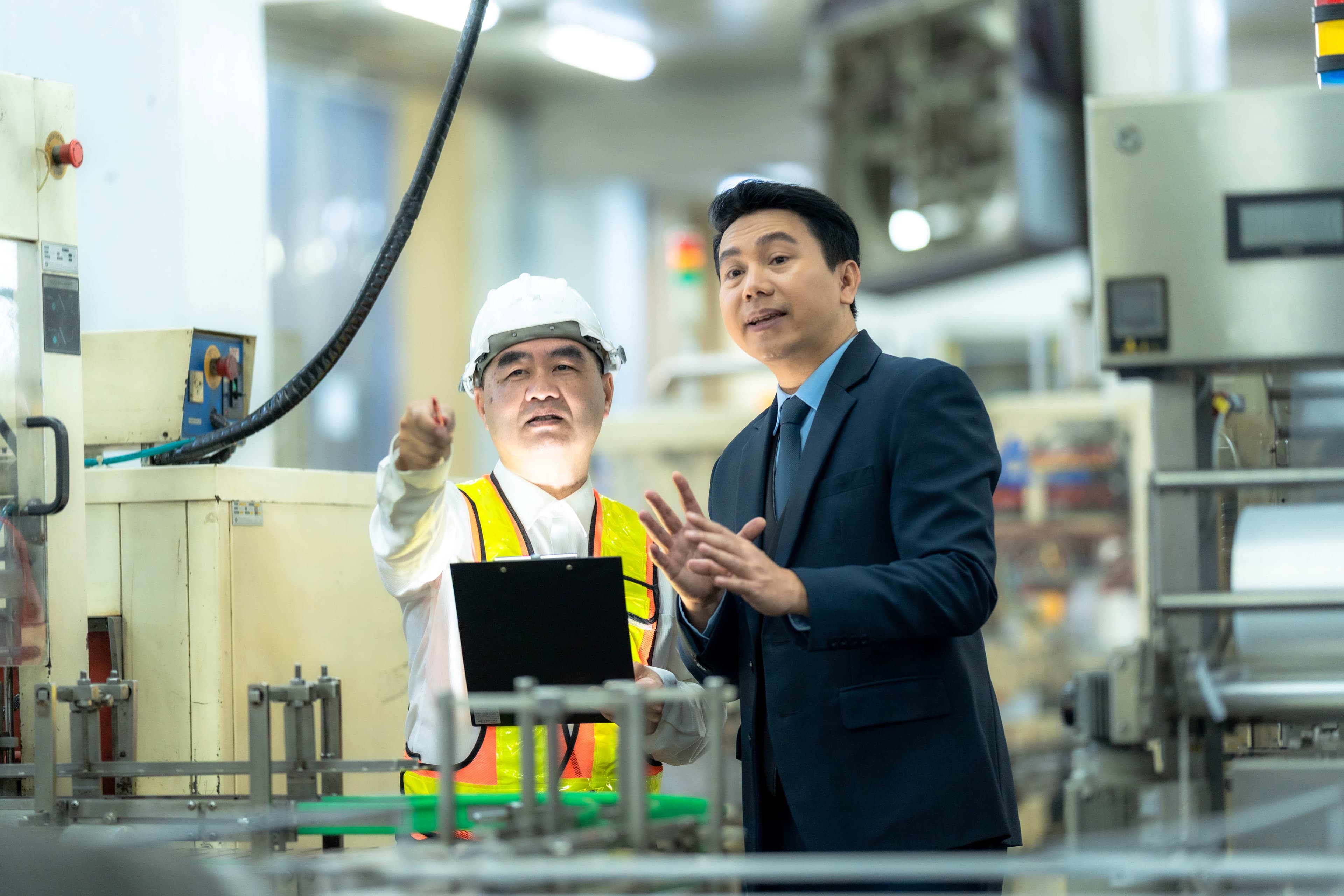
Consider a manufacturer that introduces a modern ERP system. On paper, production scheduling is now automated. In practice, planners still consult personal spreadsheets and ask a veteran supervisor to resolve each exception, because the rules governing those exceptions were never captured. The ERP is new. The dependence on individual memory is exactly what it was.
These problems persist because the real complexity of enterprise operations extends well beyond the applications themselves.
Is Your Modernization Delivering Real Business Improvement?
Explore BrainARCFour Operational Problems That Survive Legacy Modernization
Outdated workflows in modern systems
Unnecessary approval stages, duplicate data entry, and manual reconciliations survive migration whenever existing processes are replicated without reassessment. A redundant sign-off that once took two minutes can still take two days if the approver is waiting on information from somewhere else. Faster infrastructure does not shorten a step that should not exist.
Institutional knowledge trapped in people
Experienced employees understand undocumented exceptions, historical decisions, and hidden dependencies that formal system documentation never recorded. When this institutional knowledge stays inaccessible, teams resolve similar issues in different ways, and the organization becomes exposed to every retirement, transfer, and resignation.
Fragmented information across enterprise systems
ERP, CRM, MES, ticketing platforms, and document repositories each hold part of the information needed for an operational decision. Moving them onto modern infrastructure does not connect what they know. The fragments simply live in newer places.
Decision-making that still depends on manual investigation
Employees continue to search across systems, contact subject-matter experts, and reconcile conflicting records before they can act. The technology may respond faster, but the decision itself remains slow, because the work of assembling context has not changed.
Operational inefficiency often persists because the knowledge and dependencies behind a process stay fragmented, even after the underlying technology changes.
Why Business Process Modernization Must Go Beyond Technology
Genuine business process modernization examines not only which systems an organization uses, but also how work actually gets done. Five practices make the difference.
- Map processes as they operate today: Identify real workflows, exceptions, handoffs, dependencies, and workarounds rather than relying only on documented procedures. The distance between the two is where most hidden cost accumulates.
- Understand the reasoning behind existing rules: Some rules are essential business controls. Others continue only because nobody has reassessed them. Separating the two is the core of sound process redesign.
- Connect knowledge across systems and teams: Bring documentation, system records, historical decisions, and expert knowledge into a more coherent operational context.
- Validate before automating: Automation and AI-driven decisions inherit the quality of their inputs. Unreliable rules and source data produce unreliable outcomes, only faster.
- Measure business impact: Evaluate cycle time, rework, decision latency, exception resolution, and operational consistency alongside technical modernization milestones.
Reaching this level of understanding is difficult when critical knowledge is distributed across people, applications, and disconnected repositories. This is where an enterprise intelligence layer becomes relevant.
Enterprise Intelligence for Meaningful Modernization
An enterprise intelligence layer connects, organizes, assesses, and operationalizes the knowledge distributed across an organization's systems, documentation, and people. It does not replace systems of record. It makes what those systems and their users collectively know available when decisions are made.
ConforgeLabs BrainARC is built around this approach. Its core capabilities include
- Capturing institutional knowledge that exists mainly in employee experience, conversations, and undocumented practices.
- Ingesting existing enterprise information from relevant documentation and established knowledge sources.
- Connecting knowledge and relationships across systems, business rules, processes, dependencies, and decisions to build a contextual understanding of operations.
- Assessing knowledge health by identifying information that is missing, conflicting, outdated, or insufficiently supported.
- Enabling contextual access so teams can find relevant information without depending only on manual searches or individual experts.
- Supporting structured knowledge transfer by turning identified gaps into targeted transfer activities and plans.
These capabilities apply across the full modernization lifecycle. Before migration, connected intelligence helps teams understand the existing environment: which rules exist, what depends on what, and where knowledge is thin. During transformation, it informs decisions about dependencies, business rules, and process changes. After implementation, it helps teams retain and reuse organizational knowledge so that understanding does not drift back into private spreadsheets and individual memory.
BrainARC is best understood as an intelligence layer that complements enterprise systems and modernization initiatives. It is not a replacement for ERP, CRM, MES, or the modernization program itself.
A Practical Framework for Modernizing Operations, Not Just Systems
Leaders can apply the following five steps to any modernization effort.
- Step 1: Identify the operational friction. Locate recurring delays, manual workarounds, repeated escalations, reconciliation issues, and decisions that depend on a small number of employees.
- Step 2: Trace each problem to its root cause. Determine whether the issue stems from outdated process design, fragmented information, undocumented business logic, system dependencies, or unclear ownership. Each cause calls for a different remedy.
- Step 3: Establish a reliable knowledge foundation. Gather relevant records, documentation, workflow information, and expert knowledge. Validate sources, resolve conflicting information, and identify remaining gaps before redesign begins.
- Step 4: Redesign processes before scaling automation. Separate essential controls from unnecessary steps. Clarify decision rules, responsibilities, exception handling, and dependencies before automating or transferring workflows to new platforms.
- Step 5: Measure and continuously improve. Track process cycle time, manual intervention, error rates, exception resolution time, and decision consistency. Revisit the underlying knowledge as systems and processes evolve.
BrainARC supports this framework by helping organizations build and maintain a connected, accessible enterprise knowledge foundation.
Conclusion
Replacing outdated technology is only one part of enterprise transformation. Lasting operational improvement depends on understanding existing processes, preserving valuable business knowledge, resolving information gaps, and redesigning workflows around business outcomes rather than system milestones.
An enterprise intelligence layer helps organizations make better use of the knowledge they already possess while preparing for what comes next. ConforgeLabs BrainARC offers an approach to building that foundation alongside existing enterprise systems.
The goal of legacy modernization is not simply to run old systems on new technology. It is to give the business a better foundation for understanding, deciding, and operating.